রবিবার, ৩০ আগস্ট, ২০১৫

Mobile application development, buy or sell, video lesson, Mobile app maker

MOBILE USER CLICK

Profitsgram - New Improved Funnel With Monster Epc + $1550 Contest (view mobile)

Image result for Instagram App
CLICK HERE

One And Only System That Teaches Instagram Avarage Users How To Use Their Instagram App To Make Money! Mind Blowing Conversions Up To 24%. 70% Commissions! Affiliate Tools

CLICK HERE


Image result for How To Create An Iphone
CLICK HERE

How To Create An Iphone Or Ipad Apps And Games Succeed In App Store!


Discover How To Create An Iphone Or Ipad App&game And Hit Pay Dirt With It In The App Store! 60% Commission + Bonus. Awesome Member Area With Full Video Course. All You Need To Know On How To Start App Business With No Programming Skills At All!


Image result for IPHONE VIDEO LESSON
CLICK HERE

Iphone Video Lessons - Huge Market - Bigger Than Ipad(view mobile)

300 Million Iphones Sold, 47 Million In The Last Quarter Alone, No Manual. Your Parents & Grandparents Are Now Getting Iphones With No Clue How To Use Them. Tailored Video Sales Letter & Red Hot Copy For This Demo CLICK


Image result for APP SHORTCUT
APP SHORTCUT

The App Shortcut


A Complete Training Course On How To Get Your Apps Developed And In The App Store. This Comes Complete With Done-for-you Source Codes. Affiliates - This Is A High Converting Offer In The Hot Mobile Development Niche. Get On Board Today


Image result for mobile apps
BUILD MOBILE APPS

Appszero - Build Mobile Apps With Zero Coding (view mobile)


Appszero Allows You To Build Mobile Apps With Zero Coding, The Platform Is Designed To Help Ordinary People Build An App Business. Low Refund Rate And Recurring We Offer 75% And 50% On Recurring Commission Monthly

Image result for VIDEO LESSON
IPAD VIDEO LESSON

Ipad Video Lessons - Brand New Design (view mobile)


We Are Still Testing This Product, If You Would Like To Promote / Get Promotion Material Please Contact Us.

Image result for VIDEO LESSON
VIRAL VIDEOS

Clipjacker - Make Money Sharing Viral Videos - New - Great Conversions

Brand New. High Conversions. - Only One Of Its Kind On CB - GeT


Image result for PHOTOGRAPHY TRICKS
TRICKS

Phone Photography Tricks - Trick Photography With Your Iphone!


Discover The Simple Secrets To Taking Jaw-dropping Pictures On Your Camera Phone And Receiving Thousands Of Views And Likes On Photosharing Websites! +++ Make Money With Us! Affiliates Are Making $$$ Per Day!


Guide To Buying & Selling Cell Phones (view mobile)


Image result for buy and sell mobile
BUY OR SELL

Now's The Time To Check Us Out! New Sales Page, Banners, Video. Our High-quality Product Is On Temporary Sale Selling For $37


Image result for MOBILE APP
MOBILE APP MAKER

Squeezemobi's Mobi App Domination (view mobile)


The Best And Most Flexible Mobile App Builder From Squeezemobi With Done-for-you Templates For Different Cpa Niches. An Easy To Use App Builder Platform That Allows You To Create Cpa-ready Mobile Apps And Integrate Three Income Streams.


Image result for MOBILE APP
MOBILE WEBSITE

Make Your Own Mobile Apps Or Do It For Others And Make Money!


Apps Volcano Is An Internet Based Platform For Making Iphone, Ipad, Android, Kindle Apps And Mobile Websites. Making An App Takes Just Few Simple Steps. No Special Skills Needed. Huge Earning Potential For Affiliates. Join Apps Revolution Today


Image result for MOBILE APP
MOBILE APPLICATION DEVELOPMENT

Quickly & Easily Find Keywords That Gets Searched A Ton In The Mobile World, And Have Little To No Competition In Both The Apple And The Android Stores, So You Can Rank Highly Super Quickly And Easily, Getting You More Downloads, & Making You More Money!


Smart mobile phone's Reviews,Prices & Configurations (See before you buy or sell )


Introduction

The summer isn't always the best time to get a new smartphone. Most people have other things on their mind and even the makers are taking a break after a busy start of the season. CES, MWC and a couple of major one-off launches have filled in the blanks as far as flagships go. The next major event is IFA, a couple of months from now.
So, to buy or not to buy? This sounds like the right question right now but there's more than one way to look at it. The current season's flagships will only be getting cheaper from now until Christmas but the prices have at least somewhat settled after the post-launch euphoria.
Last season's best have stepped down the food chain and their prices have responded accordingly.
In the midrange, some fresh offers are joining, with post release's sales momentum just settled down.
As usual for our shopping guides, this summer edition will be driven by price tag. We'll warm up with a look at the sub-€100 category first, and each chapter to follow will raise the bid. There's plenty on offer for every budget, taste and need.
The entry-level segment is where the picture is the most diverse - there are different shapes and sizes, camera specs and operating systems. As you move up the budget scale, you start stumbling upon former flagships, long past their glory days but with still enough to offer the right users. The expensive premium categories are growing thinner but we've tried to find the right picks in each.
  • Under €100
  • €100-€200
  • €200-€300
  • €300-€400
  • €400-€500, €500 and above
  • What didn't make the cut
While we strived for variety and value, it's important to note that we only listed phones of reasonably wide availability. Single carrier or single country phones did not make the cut. Of course, many phones didn't get a nod either as others were cheaper or better, or both. Check the final chapter for what was left out and why.


Under €100

Believe it or not, the under €100 category has always been the most difficult. This is where the hidden gems are but amidst plenty of potential disappointments. Usually the people looking to get a new budget smartphone are either first-timers or really need a specific smart feature but can't afford to splash. Both types deserve a proper purchase, otherwise a poor choice can affect their whole perspective on smartphones.
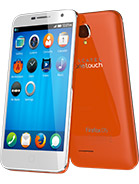
The €50 Alcatel Fire E keeps its place for yet another edition of our Buyer's guide. It's an incredibly affordable phone running on the newborn Firefox OS, which is good at making novice users comfortable. The specs are similar to the Moto E, you get a 4.5" IPS qHD display, a dual-core processor, a 5MP camera, 4GB of expandable storage, but half the RAM at 512MB. Don't you worry though, the Firefox OS can run perfectly fine on 512MB RAM as it was designed to manage with even less.

Alcatel Fire E
Pros Cons
  • Firefox OS 1.3
  • 4.5" IPS screen, 540 x 960px (245ppi)
  • 1.2GHz dual-core CPU, 512MB RAM
  • 4GB expandable storage
  • 5MP camera, 1080p video
  • Limited app selection

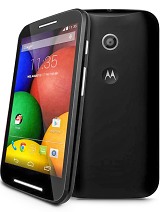
And our personal favorite in this category, the Motorola Moto E, which you just can't go wrong with. It's a beautiful little gadget that manages to stay relevant more than a year since launch. The original Moto E is built around a 4.3" qHD display, with 256ppi.
The Moto E is powered by an entry-level Snapdragon 200 chip with a dual-core 1.2GHz processor, Adreno 302 GPU and 1GB of RAM. The latter has been a rarity among the KitKat phones of 2014 and a bright highlight into the Moto E key features. The hardware package is wrapping up with a 5MP rear cam and expandable 4GB storage. Oh, and there is a dual-SIM version as well.
The best thing about the Moto E is it's already running the latest Android 5.1 Lollipop, a feat even an HTC One M9 can envy. The snappy vanilla Android, in our opinion, is better for newbies than any skinned Android out there.

Motorola Moto E
Pros Cons
  • Upgradeable to Android 5.1 Lollipop
  • 4.3" screen, 540 x 960px (256ppi)
  • 1.2GHz dual-core Cortex-A7, 1GB RAM
  • 5MP camera, 480p video
  • Fairly thick and heavy for its size
Review

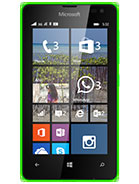
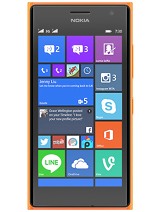
The Microsoft Lumia 532 costs as much as a Moto E, but packs more punch under the hood. It has a 4" WVGA display and is powered by a quad-core 1.2GHz processor on 1GB of RAM. The Lumia 532 has 8GB expandable storage, a 5MP camera and dual-SIM flavor.
Windows Phone 8.1 is quite a treat and offers a plethora of free apps right out of the box. You get a complete office package, voice-guided navigation, pre-installed Skype, various camera apps, among others.

Microsoft Lumia 532 Dual SIM
Pros Cons
  • Eventually upgradable to Windows 10
  • 4" screen, 480 x 800px (233ppi)
  • 1.2GHz quad-core Cortex-A7, 1GB of RAM
  • 5MP camera, 480p video
  • Dual-SIM

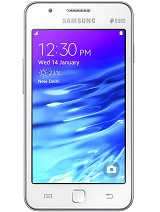
The Tizen OS, which has been in development for quite a while, turned out quite a capable and lightweight mobile OS. The Samsung Z1 originally launched in just one market, but has expanded its reach since. Its specs are pretty basic - a 4" WVGA screen, a dual-core 1.2GHz processor, 768MB RAM, 4GB of expandable storage and a 3MP camera.
One particular reason for buying a Tizen phone is its native Android app support. The TouchWiz influences can be both pros and cons.

Samsung Z1
Pros Cons
  • Tizen OS 2.3
  • 4" screen, 480 x 800px (233ppi)
  • 1.2GHz dual-core Cortex-A7, 768MB RAM
  • Dual-SIM
  • 3.15MP camera
  • Android app compatibility is suspect

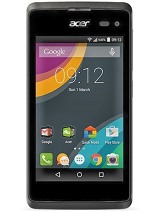
The new Acer Liquid Z220 is now on sale for about €95, which gets you a 4" WVGA display and a dual-core 1.2GHz processor with 1GB of RAM. It doubles the storage of the predecessorto 8GB, upgrades the main camera from 2MP to 5MP and introduces a 2MP front snapper for video chats. And the new Liquid Z220 runs on Android Lollipop. What an upgrade indeed!

Acer Liquid Z220
Pros Cons
  • Android 5.0 Lollipop
  • 4" screen, 480 x 800px (233ppi)
  • Dual-core 1.2GHz Cortex-A7 CPU, 1GB RAM
  • 8GB expandable storage
  • 5MP AF camera, LED flash
  • Optional dual-SIM
  • The 1,300 mAh battery may result in poor battery life

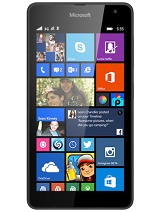
If you're after a Lumia smartphone with a bigger screen, an extra €25 on top of the Lumia 532 will get you the Lumia 535. It boasts a bigger 5" qHD IPS display, an autofocus 5MP camera, and a 5MP selfie camera, all powered by a bigger battery. You can opt for a dual-SIM model as well.

Microsoft Lumia 535
Pros Cons
  • Eventually upgradable to Windows 10
  • 5" IPS screen, 540 x 960px (220ppi)
  • 1.2GHz quad-core Cortex-A7, 1GB RAM
  • 5MP camera, 480p video
  • 5MP selfie camera
  • 8GB expandable storage
  • Optional dual-SIM
  • No 720p video
  • Screen looks washed out and generally, of poor quality
  • User reports suggest touchscreen accuracy issues, proximity sensor problems
Review

Finally, the €99 Lenovo A6000 once again makes the sub-€100 category. It is the best equipped phone of the bunch with a 5" 720p IPS display, a 64-bit quad-core processor, 1GB of RAM, an 8MP camera and 8GB of expandable storage. It is also the cheapest LTE-enabled phone you can buy today.
Unfortunately, the Lenovo A6000 is still available in just a few markets, but if you're lucky you may come across the Lenovo K3, which is the same device under a different name.


€100-€200

Ah, the most popular category comes next. The sweet spot for millions of smartphone buyers is between €100 and €200 and the competition is fierce. There is a good chance you may find your perfect match right here.
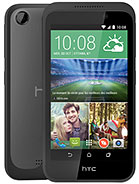
The HTC Desire 320 has seen a price drop since we last met and the current tag of about €110 keeps it for another round in our guide. The 4.5" phone uses a FWVGA display, a quad-core 1.3GHz processor and a 5MP camera with 1080p video recording. Note that the North American version has only 512MB of RAM and omits an LED flash, compared to the European version.

HTC Desire 320
Pros Cons
  • Android 4.4 KitKat
  • 4.5" screen, 480 x 854px (218ppi)
  • 1.3GHz quad-core processor, 1GB RAM
  • 5MP camera, 1080p video
  • 4 or 8GB expandable storage
  • Low screen resolution for the price range
  • North American version has half the RAM and storage, no LED flash

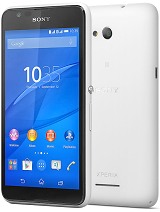
The Sony Xperia E4g is one of the best value-for-money options. Sony has equipped the phone with a 4.7" qHD screen, there is a 64-bit 1.5GHz quad-core processor, 1GB of RAM, 8GB of storage, a 5MP camera with 1080p recording and, of course, LTE connectivity. The phone runs Android KitKat but there is a good chance it will eventually receive Lollipop, given Sony's excellent track record this year.

Sony Xperia E4g
Pros Cons
  • Android 4.4 KitKat
  • 4.7" IPS screen, 540 x 960px (234ppi)
  • 1.5GHz quad-core Cortex-A53, 1GB of RAM
  • 5MP camera, 1080p video
  • 8GB expandable storage
  • Optional dual-SIM
  • Update future uncertain
Review

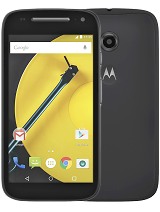
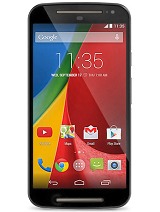
We can say the same about the second generation Moto E. Its specs are slightly different, yet still relevant. The Moto E 2nd Gen has a 4.5" IPS qHD display, a quad-core 1.2GHz Cortex-A53 processor, 1GB of RAM, 8 gigs of expandable storage, a 5MP camera, LTE connectivity and Android 5.1 Lollipop. Motorola's on-time firmware updates are the reason Moto E series has grown so popular.
Note that there is an underpowered 3G model, which has the same specs as the original Moto E from 2014. It's cheaper and in some markets is sold as an updated version of the first-gen Moto E.

Motorola Moto E (2nd gen)
Pros Cons
  • Upgradeable to Android 5.1
  • 4.5" IPS screen, 540 x 960px (245ppi)
  • 1.2GHz quad-core Cortex-A53 processor, 1GB RAM
  • 8GB expandable storage
  • 5MP camera, 720p video
  • 3G version has 32-bit Cortex-A7 cores
  • Rather thick and heavy
Review

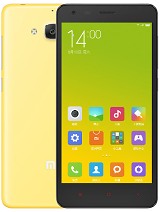
The Xiaomi Redmi 2 is an excellent smartphone, if available where you are. The smartphone is built around a 4.7" 720p IPS display and runs on the 64-bit Snapdragon 410 with a quad-core 1.2GHz processor and 1GB of RAM. Its 8MP still camera is doing great and it's capable of recording 1080p videos. The handset has 8GB internal storage and supports LTE connectivity. For merely €20 more you can get its enhanced version which doubles the RAM and storage, but its availability is rather spotty.

Xiaomi Redmi 2
Pros Cons
  • MIUI 6.0, Android 4.4 based
  • 4.7" IPS screen, 720 x 1,280px (312ppi)
  • 1.2GHz quad-core Cortex-A53, 1GB/2GB RAM
  • 8GB/16GB expandable storage
  • 8MP camera, 1080p video
  • Dual-SIM
  • Non-standard Android
  • Version with 2GB of RAM and 16GB storage costs more
Review

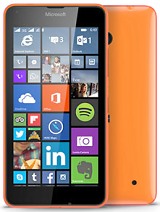
The Microsoft Lumia 640 was released in quite a few flavors: 3G, 3G with Dual SIM, LTE and LTE with Dual SIM. At about €140 you can get the regular 3G Dual SIM flavor. The Lumia 640 series come with a 5" 720p display, run on Snapdragon 400 with a quad-core processor and 1GB of RAM, there is 8 gigs of storage, a capable 8MP still camera and Windows Phone 8.1 soon to be updated to Windows 10.
Microsoft and its Lumia smartphones have been targeting the lower midrange and they have become a popular choice for lots of people.

Microsoft Lumia 640 Dual SIM
Pros Cons
  • Eventually upgradable to Windows 10
  • 5" IPS screen, 720 x 1,280px (294ppi)
  • 1.2GHz quad-core Cortex-A7, 1GB RAM
  • 8GB expandable storage
  • 8MP camera, 1080p video
  • Dual-SIM
  • Below-par 1MP selfie camera
Review

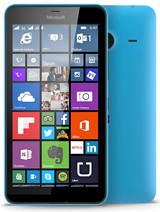
By the way, the Microsoft Lumia 640 is available in an XL version with a 5.7" display and a 13MP camera. It adds about €50 to the regular Lumia 640's price tag, but you can still opt for a 3G Dual SIM, LTE and LTE Dual SIM models.

Microsoft Lumia 640 XL Dual SIM
Pros Cons
  • Eventually upgradable to Windows 10
  • 5.7" IPS screen, 720 x 1,280px (259ppi)
  • 1.2GHz quad-core Cortex-A7, 1GB RAM
  • 8GB expandable storage
  • 13MP camera, 1080p video
  • 5MP/1080p selfie camera
  • Optional dual-SIM and LTE (both available simultaneously)
  • Single-SIM LTE version is hard to find in stores

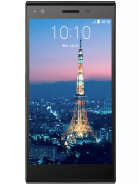
Just like Xiaomi, the ZTE phones aren't available on sale everywhere, but if you can get one you won't be disappointed. The €140 ZTE Blade Vec 4G is a good example. The 5" phone has an HD display and a quad-core processor, packs 8GB of storage, 1GB of RAM and there is either a 13MP or an 8MP camera, depending on the market. Android KitKat is in charge and the chance for it to get Lollipop is slim.

ZTE Blade Vec 4G
Pros Cons
  • Android 4.4 KitKat
  • 5" screen, 720 x 1,280px (294ppi)
  • 1.2GHz quad-core Cortex-A7 processor, 1GB RAM
  • 16GB expandable storage
  • 13MP/8MP camera, 1080p video
  • LTE connectivity
  • May not receive Android Lollipop

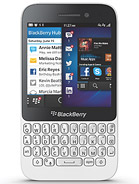
The BlackBerry Q5 is both for the fans of hardware QWERTY and native BlackBerry services. The company might be struggling with the hardware sales lately, but it is still one of the recognizable brands on the market and isn't going anywhere anytime soon. Switching to Android or not, that's yet to be decided.
The BlackBerry OS has finally come to terms with touchscreen and even supports Android apps, so you can get the best of both worlds if you want.
The Q5 's key specs are hardly impressive: a 3.1" square 720p IPS display, a dated Snapdragon S4 Plus chip with a dual-core processor and 2GB of RAM, a 5MP camera with 1080p videos and LTE support. Those are enough to give you a hassle-free BlackBerry experience though. This is the cheapest Berry you can get, but it surely looks classy.

BlackBerry Q5
Pros Cons
  • Hardware QWERTY keyboard
  • Security-conscious BlackBerry OS 10.3
  • 3.1" IPS screen, 720 x 720px (328ppi)
  • 1.2GHz dual-core Krait processor, 2GB RAM
  • 8GB expandable storage
  • 5MP camera, 1080p video
  • LTE connectivity
  • Limited app selection
  • Relatively small screen
Review

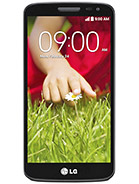
The LG G2 mini wouldn't have made this edition of the guide, had LG not announced a few days ago its Lollipop update. Released more than a year ago, its specs are still quite relevant: a 4.7" qHD display, Snapdragon 400 chipset with a quad-core CPU and 1GB RAM, an 8MP camera and LTE connectivity.
The LG G2 mini is among the first generation LG smartphones to use the trademark design with rear controls. Now with Android Lollipop, the LG G2 mini is quite tempting at about €130.

LG G2 mini LTE
Pros Cons
  • Android 4.4 KitKat, upgradable to Android Lollipop
  • 4.7" IPS screen, 540 x 960px (234ppi)
  • 1.2GHz quad-core Cortex-A7, 1GB RAM
  • 8GB expandable storage
  • 8MP camera, 1080p video
  • Optional dual-SIM (but without LTE)
  • Low screen resolution
Review

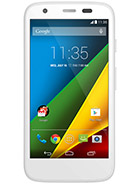
If you like the idea of getting the latest Android updates as soon as they arrive, the Moto G series should be the right place to look for your next phone. The Motorola Moto G 4G offers LTE connectivity and a microSD slot in addition to the original specs - a 4.5" 720p display, a quad-core processor, a 5MP still camera and 8GB of expandable storage.

Motorola Moto G 4G
Pros Cons
  • Android 5.1 Lollipop update
  • 4.5" IPS screen, 720 x 1,280px (329ppi)
  • 1.2GHz quad-core Cortex-A7 processor, 1GB RAM
  • 8GB expandable storage
  • 5MP camera, 720p video
  • LTE connectivity
  • Thick, but battery is relatively small
Review

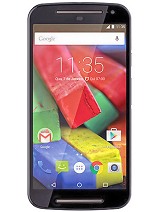
An extra €30 will allow you to opt for the second generation of the Moto G. It promotes the display to 5", keeping the resolution, processor, RAM and storage. The other upgrade is the 8MP camera, but it still doesn't offer 1080p video recording. Oh, and the second-gen Moto G isn't LTE-enabled.

Motorola Moto G (2nd gen)
Pros Cons
  • Android 5.1 Lollipop update
  • 5" IPS screen, 720 x 1,280px (294ppi)
  • 1.2GHz quad-core Cortex-A7 processor
  • 8GB expandable storage
  • 8MP camera, 720p video
  • Stereo speakers
  • Pricy for no 1080p video option
Review

Finally, if you really need LTE and like Motorola, there is the €195 Motorola Moto G 2nd Gen 4G, which adds LTE support to the Moto G 2nd Gen. Everything else is the same.

Motorola Moto G 4G (2nd gen)
Pros Cons
  • Android 5.1 Lollipop update
  • 5" IPS screen, 720 x 1,280px (294ppi)
  • 1.2GHz quad-core Cortex-A7 processor
  • 8GB expandable storage
  • 8MP camera, 720p video
  • LTE connectivity
  • Stereo speakers
  • Pricy for no 1080p video option
Review

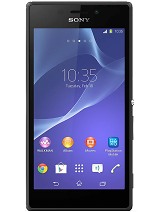
Sony's keen to give its old phones the Lollipop treatment, which is why we can now suggest the Sony Xperia M2 Aqua. It has a 4.8" qHD display, runs on the old but decent Snapdragon 400 chip and has a rather unimpressive 8MP camera as we discovered in our review. But the phone looks good and is water and dust proof, which should be enough to get you interested. It's probably the cheapest water-proof handset out there.

Sony Xperia M2 Aqua
Pros Cons
  • Android 4.4 KitKat, upgradable to Android 5.1 Lollipop
  • 4.8" IPS screen, 540 x 960px (229ppi)
  • 1.2GHz quad-core Cortex-A7, 1GB of RAM
  • 8GB expandable storage
  • 8MP camera, 1080p video
  • Dust and water proof
  • Disappointing photos and video quality
  • Low resolution screen
Review

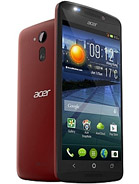
How does a triple-SIM phone sound? Those are extremely rare, but if you are tempted by the idea you should give the Acer Liquid E700 Trio a try. The E700 is a 5" smartphone with a 720p display, a quad-core Cortex-A7 processor, an 8MP camera and 3G connectivity. You can get it in 4GB flavor with 1GB RAM or 16GB model with 2GB of RAM. Both versions have a microSD slot.

Acer Liquid E700 Trio
Pros Cons
  • Android 4.4 KitKat
  • 5.0" IPS screen, 720 x 1,280px (294ppi)
  • 1.2GHz quad-core Cortex-A7, 1GB/2GB of RAM
  • 4/16GB expandable storage
  • 8MP camera, 1080p video
  • Triple SIM with 3G support
  • Beefy 3,500 mAh battery
  • Limited availability
  • Low-end GPU
  • The model with 4GB storage and 1GB RAM may cause problems because of low storage and low system memory

The Nokia Lumia 730 and Lumia 735 are smaller than the Lumia 640 lineup but offer enhanced main and selfie cameras. The Lumia 73x series feature a 4.7" OLED 720p display with ClearBlack tech, run on Snapdragon 400 chips with 1GB of RAM and there is 8 gigs of expandable storage. The main camera has a 6.7MP sensor and ZEISS optics and produces great stills, while 5MP selfie cam is optimized for Skype video.
The 3G Lumia 730, Lumia 730 Dual SIM and Lumia 735 with LTE are among the first on the waiting list to get Windows 10 this fall and their prices all revolve around €160-€170.

Nokia Lumia 730 Dual SIM
Pros Cons
  • Eventually upgradable to Windows 10
  • 4.7" OLED screen, 720 x 1,280px (316ppi)
  • 1.2GHz quad-core Cortex-A7, 1GB RAM
  • 8GB expandable storage
  • 6.7MP camera and 5MP selfie camera, 1080p video with both
  • Dual SIM
  • Single-SIM LTE version with wireless charging built-in
Review

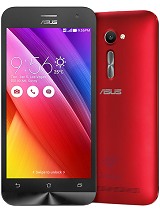
The Asus Zenfone 2 ZE500CL is finally on sale across Europe. It offers a 5" IPS HD display, runs on Intel Atom Z2560 with a dual-core processor and capable GPU, there is 2GB of RAM and 16GB of inbuilt storage. The camera is 8MP with 1080p video recording, there is LTE connectivity and Android Lollipop makes it all sound even better. You can get it for about €180, but its availability is still limited.

Asus Zenfone 2 ZE550CL
Pros Cons
  • Android 5.0 Lollipop
  • 5.0" IPS screen, 720x 1,280px (294ppi)
  • 1.6GHz dual-core Intel Atom, 2GB RAM
  • 16GB expandable storage
  • 8MP camera with 1080p video
  • LTE connectivity
  • Limited availability
  • Confusing naming scheme

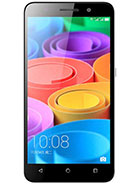
The last recommendation in this category is the €199 Huawei Honor 4X. Its availability is expanding, it comes with a 5.5" HD display, runs on an octa-core or a quad-core processor depending on the market, there is a 13MP camera, LTE connectivity and Android Lollipop with Emotion 3.0 UI. Other features worth mentioning are the dual SIM option and a 5MP selfie shooter.

Huawei Honor 4X
Pros Cons
  • Android 5.0 Lollipop update coming soon
  • 5.5" IPS screen, 720 x 1,280px resolution (267ppi)
  • 1.2GHz octa-core Cortex-A53, 2GB of RAM
  • 8GB expandable storage
  • 13MP camera, 1080p video
  • 5MP selfie camera
  • Dual SIM

€200-€300

The midrange category is crowded as usual and some of the options here are quite popular. We've tested quite a few of them and you can easily check their pros and cons in our in-depth reviews. The list below includes some retired flagships, which still deliver quite a punch and imaging performance.
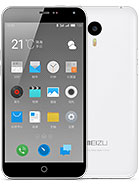
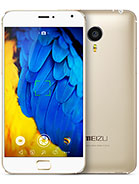
We kick off with the Meizu m1 note. If you live in Europe, you can get it for about €200, while those living in Asia can find it even cheaper. It has a 5.5" 1080p display, which uses an IGZO matrix, a type of LCD usually found on high-end devices, and a pixel density of over 400ppi, which was flagship grade a year ago.
The m1 note offers a 13MP/1080p main camera and a 5MP front facer. The Meizu m1 note is a dual-SIM device, but the second compartment doubles as a microSD slot. So if you need more than the base 16GB or 32GB storage you'll have to settle for only temporary dual-SIM use.

Meizu m1 note
Pros Cons
  • Android 4.4 KitKat
  • 5.5" IGZO screen, 1,080 x 1,920px (403ppi)
  • 1.7GHz octa-core Cortex-A53, 2GB of RAM
  • 16/32 GB storage
  • 13MP camera, 1080p video
  • 5MP selfie camera
  • Dual SIM, LTE
  • No microSD slot
Review

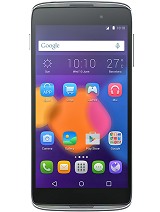
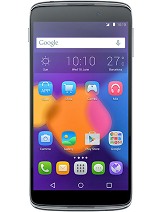
The growing popularity of the Android Lollipop-powered Alcatel Idol 3 duo is probably well deserved. The smaller Idol 3 (4.7) costs about €220 and comes with a 4.7" 720p IPS display plus Snapdragon 410 chip (quad-core CPU, 1.5GB RAM, LTE). The camera specs are solid with a 13MP/1080p main unit and a 5MP selfie cam.

Alcatel Idol 3 (4.7)
Pros Cons
  • Unique reversible design, 7.4mm thick
  • Android 5.0 Lollipop
  • 4.7" IPS screen, 720 x 1,280px (312ppi)
  • 1.2GHz quad-core processor, 1.5GB RAM
  • 8GB expandable storage
  • 13MP camera with 1080p video
  • 5MP/1080p selfie camera
  • Stereo speakers
  • Optional dual-SIM, LTE
Review

Some extra €60 will get you the bigger Alcatel Idol 3 (5.5) with a 5.5" IPS 1080p display and a more powerful Snapdragon 615 chipset with an octa-core processor and 2GB of RAM. The main camera stays at 13MP, while the front facer is promoted to 8MP.

Alcatel Idol 3 (5.5)
Pros Cons
  • Unique reversible design, 7.4mm thick
  • Android 5.0 Lollipop
  • 5.5" IPS screen, 1,080 x 1,920px (403ppi)
  • 1.5GHz octa-core processo, 2GB RAM
  • 16/32 GB expandable storage video
  • 13MP camera with 1080p video
  • 8MP/1080p selfie camera
  • Stereo speakers
  • Optional dual-SIM, LTE
Review

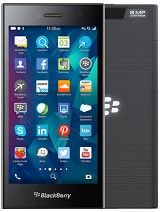
The BlackBerry Leap enters our guide for the first time, replacing the aging BlackBerry Z10. The Leap isn't a massive upgrade but hopes to to make a difference. The recently released device costs about €230 and ups the display to 5", keeping the resolution at 720p. The chipset remains the same too, a Snapdragon S4 Plus with a dual-core Krait, Adreno 225 GPU and 2GB of RAM. The camera combo is untouched as well: 8MP/1080p rear and 2MP front. The 16GB expandable storage and LTE connectivity are intact, too.
BlackBerry OS supports Android apps, you can use the Amazon App Store as well as a side-loaded Play Store.

BlackBerry Leap
Pros Cons
  • Security-conscious BlackBerry OS 10.3
  • 5.0" screen, 720 x 1,280px (294ppi)
  • 1.5GHz dual-core Krait, 2GB RAM
  • 16GB expandable storage
  • 8MP camera, 1080p video
  • LTE connectivity
  • Require some tweaks to install Google Play Store

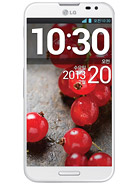
The LG Optimus G Pro is frankly getting old, released early 2013, but that makes it pretty cheap - offering a good 5.5" 1080p screen, a Snapdragon 600 chipset (which compares quite favorably to S400 chips) and a 13MP camera with 1080p videos.
It was updated to Android 4.4 KitKat and that may be its last stop (at least officially). Also, supplies may be running low, but if you find one, it's a good value for money deal.

LG Optimus G Pro E985
Pros Cons
  • Android 4.4 KitKat
  • 5.5" IPS screen, 1,080 x 1,920px (401ppi)
  • 1.7GHz quad-core Krait 300, 2GB RAM
  • 16/32 GB expandable storage
  • 13MP camera, 1080p video
  • LTE connectivity
  • Upgrade future uncertain
  • May be hard to find in stores
Review

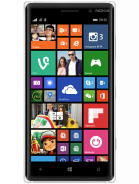
If the camera is the focus of your purchase, then you should check out the Lumia 830. Its price has settled at about €240, which sounds like a bargain for a 5" IPS 720p display, a quad-core processor, 16GB of storage, LTE connectivity and a premium 10MP ZEISS camera with optical image stabilization and some PureView tech.
The Lumia 830 has some metal on its body, aluminum trim on both the glass front and the polycarbonate back.

Nokia Lumia 830
Pros Cons
  • Upgradeable to Windows 10
  • 10MP ZEISS camera with OIS, 1080p video
  • Metal/polycarbonate build
  • 5" IPS screen, 720 x 1,280px (294ppi)
  • 1.2GHz quad-core Cortex-A7
  • 16GB expandable storage
  • Average selfie camera
  • Dated chipset
Review

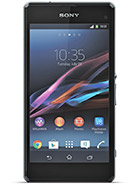
Another classic, the Sony Xperia Z1 Compact is small, metal-clad, water-proof and powerful.
Okay, the bezels around the 4.3" screen make it bigger than it needs to be, but the Snapdragon 800 chipset makes it more powerful than most phones so far. The 20.7MP camera is a serious contender too, it matches the Xperia Z3 for stills though it lacks the 2160p video option.
The camera is good enough to compete with the Lumia 830. The Xperia Z1 Compact will be updated to Android 5.0 Lollipop.

Sony Xperia Z1 Compact
Pros Cons
  • Compact metal design; IP58 waterproofing
  • Android 5.0 Lollipop update
  • 20.7MP camera, 1080p videos
  • 4.3" IPS screen, 720 x 1,280px (342ppi)
  • 2.3GHz quad-core Krait 400, 2GB RAM
  • 16GB expandable storage
  • Bezels are on the thick side
  • Poor sunlight legibility
Review

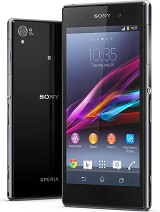
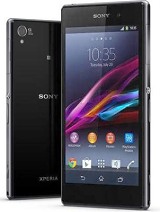
For a bit more cash you can have the full-size Sony Xperia Z1 too. It upgrades the screen to 5" 1080p and has a bigger battery but other than that both phones are equals.

Sony Xperia Z1
Pros Cons
  • Metal and glass body; IP58 waterproofing
  • Android Lollipop update
  • 20.7MP camera, 1080p videos
  • 5" IPS screen, 1,080 x 1,920px (441ppi)
  • 2.3GHz quad-core Krait 400, 2GB RAM
  • 16GB expandable storage
  • Bezels are on the thick side
Review

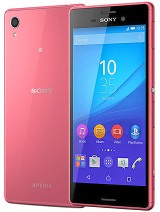
The Xperia M4 Aqua can dive just as deep (and wards off dust better), plus it has a big 5" 720p screen. It is already on sale for about €250 and brings a 64-bit octa-core processor and Android 5.0 Lollipop. The camera department isn't quite as impressive, but still great with a 13MP/1080p main camera and 5MP/720p selfie camera.

Sony Xperia M4 Aqua
Pros Cons
  • IP68 waterproofing
  • Android 5.0 Lollipop
  • 5" IPS screen, 720 x 1,280px (294ppi)
  • 13MP camera, 1080p video
  • 5MP/720p selfie camera
  • 1.5Ghz octa-core Cortex-A53, 2GB RAM
  • 16GB expandable storage
  • Large for a 5" phone
Review

The middle member of the Zenfone 2 trio, if available near you, sounds great on paper. The Asus Zenfone 2 ZE550ML uses a 5.5" 720p display, runs on a capable Intel Atom Z3560 with a quad-core processor and 2GB of RAM, there is 16GB expendable storage and LTE connectivity. The camera specs seem fine too: a 13MP/1080p rear and a 5MP selfie camera.
The handset runs on Android Lollipop, has a good looking Zen launcher and a selection of Asus pre-installed apps.

Asus Zenfone 2 ZE550ML
Pros Cons
  • Android 5.0 Lollipop
  • 5.5" IPS screen, 720 x 1,280px (267ppi)
  • 1.8GHz quad-core Intel Atom, 2GB RAM
  • 16GB expandable storage
  • 13MP camera with 1080p video
  • 5MP selfie camera
  • Limited availability
  • Confusing naming scheme
Review

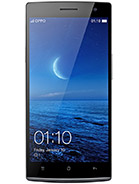
The retired flagships are becoming even more tempting and the 5.5" Oppo Find 7a is a good example. It has a 1080p screen and a Snapdragon 801 chipset with 2GB of RAM. It offers 2160p video recording and high-framerate modes like 1080p@60fps and 720p@120fps.
This phone is the hardware base for the OnePlus One. The offshoot company sold phones on an invite-only basis and while that's no longer the case, it has been plagued by some reliability issues. Not to mention the software drama with Cyanogen OS and the delay of the in-house Oxygen OS.

Oppo Find 7a
Pros Cons
  • Color OS, based on Android 4.4 KitKat
  • 5.5" IPS screen, 1,080 x 1,920px (401ppi)
  • 2.3GHz quad-core Krait 400, 2GB of RAM
  • 16GB expandable storage
  • 13MP camera, 2160p video
  • 5MP selfie camera
  • Non-standard Android
Review

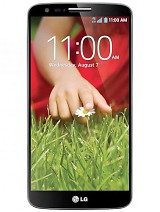
The LG G2 packs a bigger 5.2" screen in a smaller body than the Xperia Z1. Like it, the G2 has a Snapdragon 800 chipset and the Lollipop update is already rolling out. The 13MP/1080p camera boasts optical stabilization. One big drawback is that there's no microSD card slot and the base storage is 16GB, so we've picked the 32GB option. At least it leaves you some room for downloading games and movies.

LG G2
Pros Cons
  • Compact
  • 5.2" IPS screen, 1,080 x 1,920px (424ppi)
  • Android 5.0 Lollipop
  • 2.3GHz quad-core Krait 400, 2GB RAM
  • 16/32 GB storage
  • 13MP camera with OIS, 1080p video

€300-€400

This is where the midrange collides with the high-end and the lines get blurred. After that it's an all-out war between phones that offer countless variations on a common theme: great cameras, metal frames, waterproofing and stereo speakers (few manage to check all these boxes at the same time though).
Alcatel makes phones in every size segment, but the Hero 2 is the biggest. It has a 6" 1080p screen and a stylus, a 2GHz octa-core processor with 2GB of RAM ensuring smooth multitasking. The phone is a looker too, with thin bezels and a metal chassis.
It features a 13MP camera with optical stabilization and 1080p video capture, plus a 5MP selfie camera also capable of 1080p video recording. The Alcatel Hero 2 runs Android 4.4 KitKat and while it lacks the extensive multitasking add-ons of TouchWiz it can make a great budget alternative to the Galaxy Note.

Alcatel Hero 2
Pros Cons

  • Metal frame
  • Android 4.4 KitKat
  • 6" IPS screen, 1,080 x 1,920 (367ppi); Stylus
  • 2.0GHz octa-core Cortex-A7, 2GB RAM
  • 16GB expandable storage
  • 13MP camera with OIS, 1080p video
  • 5MP/1080p selfie camera
  • Review

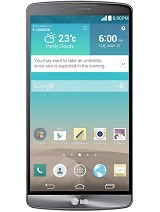
    The LG G3 continues to skew the market being one of the cheapest phones with a QHD screen money can buy and its price is going down by the day. The thin bezels keep the size down, while the Snapdragon 801 chipset and 13MP OIS camera put extra pressure on 2014 flagships. The camera has "laser focus," which improves accuracy in low light.
    Overall, the LG G3 is the phablet to buy if you want bang for the buck. The back is made out of quality plastic with a brushed metal finish and can be popped off to access the battery and microSD slot for extra flexibility.

    LG G3
    Pros Cons

  • 5.5" IPS screen, 1,440 x 2,560px (538ppi); thin bezels
  • Android 5.0 Lollipop
  • 2.5GHz quad-core Krait 400
  • 2GB or 3GB of RAM
  • 16GB or 32GB expandable storage
  • 13MP camera with OIS, 2160p video
  • Review

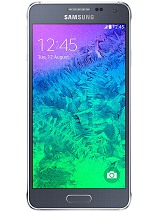
    The Samsung Galaxy Alpha is the result of Samsung trying to make a compact flagship. In a way it's a prototype of the Note 4, but at 6.7mm slim and 115g it still has a place on the market. The thin body also features a metal frame combined with faux perforated leather that is more premium than the Galaxy S5.
    The Galaxy Alpha has either an Exynos 5 Octa or a Snapdragon 801 chipset. We tested the Exynos model, which offers great performance and managed to squeeze decent uptime out of the small 1,860mAh battery. The Home key is a fingerprint sensor, which enables PayPal transactions and Private mode, but it's the less-convenient swipe to scan kind.
    Тhe Alpha's 12MP camera produces great stills and does 2160p videos.

    Samsung Galaxy Alpha
    Pros Cons

  • Thin and body with metal frame; 6.7mm and 115g
  • Android 5.0 Lollipop
  • 4.7" Super AMOLED, 720 x 1,280px (312ppi)
  • 1.8GHz octa-core -or- 2.5GHz quad-core; 2GB RAM
  • 32GB storage
  • 12MP camera (16:9), 2160p video
  • Fingerprint sensor

  • No microSD card slot
  • Review

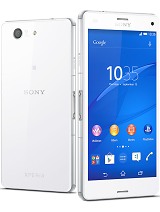
    The Sony Xperia Z3 Compact will have an edge in a beauty contest with its sturdy plastic frame and glass back. It has a screen of almost the same size, 4.6" 720p, but the phone is smaller (if a bit thicker). True, it lacks the hardware Home key with a fingerprint sensor, but it makes up for it with stereo speakers on the front.
    It's waterproof too, so it can go where the Alpha can't, plus Sony's 20.7MP camera promises higher resolution stills. While the quality doesn't quite live up to the megapixel count, the 2160p video is quite good.
    The Xperia Z3 uses the same Snapdragon 801 chipset as one of the Alpha’s versions, but has stellar battery life. As part of the Z-series, the phone is already receiving the Android 5.0 Lollipop update.

    Sony Xperia Z3 Compact
    Pros Cons

  • Compact body with metal frame; IP58 waterproofing
  • 4.6" IPS screen, 720 x 1,280 (319ppi)
  • 2.5GHz quad-core Krait 400, 2GB RAM
  • 16GB expandable storage
  • 20.7MP camera, 2160p video
  • Stereo speakers
  • Great battery life
  • Android Lollipop
  • Review

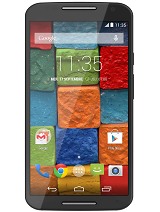
    The Motorola Moto X (2014) is not as camera-obsessed as the phones above but it takes better care of its looks. With a metal frame and a selection of genuine wood and leather backs, the phone is highly customizable via the Moto Maker.
    It has a large 5.2" AMOLED screen of 1080p resolution and is based on the Snapdragon 801 chipset. While not a cameraphone proper, the Moto Z does a good enough job with a 13MP unit that shoots 2160p video. You get stereo speakers on the front, plus some basic waterproofing - it will survive splashes, but not submersion. Without a microSD card slot though, the base 16GB version won't cut it.

    Motorola Moto X (2014)
    Pros Cons

  • Metal frame and customizable leather or wood backs
  • Android 5.1 Lollipop
  • 5.2" AMOLED, 1,080 x 1,920px (424ppi)
  • 2.5GHz quad-core Krait, 2GB RAM
  • 16GB, 32GB or 64GB storage
  • 13MP camera, 2160p video
  • Stereo speakers
  • Splash proof

  • No microSD card slot
  • Review

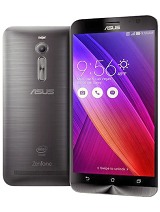
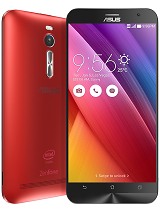
    The Asus Zenfone 2 ZE551ML deserves a spot bringing one of the most impressive flagship specs you'll see nowadays. It has a 5.5" IPS 1080p display and runs on a powerful Intel Atom chipset. You can opt for the quad-core 1.8GHz processor and 2GB RAM model or the more powerful version with a quad-core 2.3GHz CPU and 4 GB RAM. The rest of the specs including camera and connectivity are on par with the rest of the entries here - but regardless of the impressive horsepower, the Zenfone 2 can only do 1080p videos @30fps.
    You can get a Lollipop-running Zenfone 2 with either 16, 32 or 64GB storage, expandable via a microSD slot.

    Asus Zenfone 2 ZE551ML
    Pros Cons

  • First phone with 4GB RAM
  • Android 5.0 Lollipop
  • 5.5" IPS screen, 1,080 x 1,920px (403ppi)
  • 1.8GHz (2GB RAM) or 2.3GHz (4GB RAM) quad-core Intel Atom
  • 16GB, 32GB or 64GB expandable storage
  • 13MP camera with 1080p video
  • 5MP selfie camera

  • Limited availability
  • Confusing naming scheme
  • Review

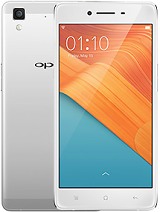
    The metal Oppo R7 made quite an impression recently - it's one of the best looking devices on the market, with a beautiful 5" 1080p AMOLED screen, enough power courtesy of the Snapdragon 615 chip and an average 13MP snapper for its €350 price tag.

    Oppo R7
    Pros Cons

  • Color OS, based on Android 4.4 KitKat
  • Metal unibody, 6mm thin
  • 5" AMOLED screen, 1,080 x 1,920px (445ppi)
  • Octa-core processor, 3GB of RAM
  • 16GB expandable storage
  • 13MP camera, 1080p video
  • 8MP selfie camera
  • Dual SIM

  • Non-standard Android
  • The second SIM occupies the microSD slot
  • Limited availability
  • Android KitKat OS is dated
  • Review

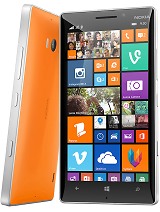
    The Nokia Lumia 930 also has a 5" AMOLED screen and focuses on imaging and performance. The large 20MP sensor features PureView tech with optical stabilization and since the Denim update it records 2160p video.
    The 5" 1080p AMOLED screen rivals Samsung's Super AMOLEDs and with ClearBlack tech it's clearly visible in the sun. It's the current Windows Phone flagship and will offer the premium W10 experience until Microsoft starts unleashing the new flagships.

    Nokia Lumia 930
    Pros Cons

  • 20MP camera with OIS, 2160p video
  • Eventually upgradeable to Windows 10
  • Metal/polycarbonate build
  • 5" AMOLED screen, 1,080 x 1,920px (441ppi)
  • 2.2GHzGHz quad-core Krait 400
  • 32GB storage

  • No microSD card slot
  • Review

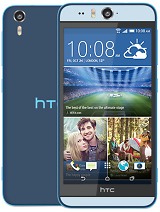
    The camera shootout continues with the HTC Desire Eye, though this one is more interested in you than the scenery. It has a best-in-class 13MP selfie camera with its own dedicated LED flash. Most other phones in this category have just 2MP snappers. The main camera is a 13MP unit too, both record 1080p video.
    The Desire Eye may not have a metal unibody like its One siblings - or the Xperia Z2 - but it does borrow their front-facing speakers and it’s IPX7 certified. It's powered by a Snapdragon 801 chipset with 2GB of RAM and is getting Android 5.0 Lollipop.

    HTC Desire Eye
    Pros Cons

  • 13MP selfie camera with LED flash, 1080p video
  • 13MP/1080p main camera
  • IPX7 waterproofing
  • Stereo speakers
  • 5.2" screen, 1,080 x 1,920px (424ppi)
  • 2.3GHz quad-core Krait 400, 2GB RAM
  • 16GB expandable storage
  • Android Lollipop
  • Review

    The Sony Xperia Z2 now costs as much as the Xperia Z3 Compact. It is seemingly a generation behind the Z3 Compact, but keep in mind' it's a Sony half-generation. It has a 5.2" IPS screen with 1080p resolution and stereo speakers and a metal frame. You don't get a choice of backs, just glass, but the Z2 has true waterproofing.
    The camera is the Sony usual, a large 20.7MP sensor with 2160p video capture. The Xperia Z2 is powered by a Snapdragon 801 chipset with 3GB of RAM and will run Android 5.0 Lollipop in short order.

    Sony Xperia Z2
    Pros Cons

  • Metal frame; IP58 waterproofing
  • 20.7MP camera, 2160p video
  • 5.2" IPS screen, 1,080 x 1,920px (424ppi)
  • Android Lollipop update
  • 2.3GHz quad-core Krait 400, 3GB RAM
  • 16GB expandable storage
  • Stereo speakers
  • Review

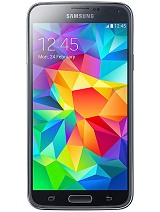
    The Samsung Galaxy S5 rounds off the waterproof shooters for this chapter. It has IP67 certification and a 16MP camera with 2160p video capture that has several advantages over the Galaxy Alpha’s camera (including phase detection AF).
    It has a 5.1" 1080p Super AMOLED screen similar to the Lumia 930 and Moto X (2014), as well as a similar Snapdragon 801 chipset. It has a swipe-to-scan fingerprint sensor like the Galaxy Alpha and unlike the Galaxy S6 you get a replaceable battery and a microSD card slot.

    Samsung Galaxy S5
    Pros Cons

  • Android 5.0 Lollipop
  • 5.1" Super AMOLED, 1,080 x 1,920px (432ppi)
  • 16MP camera, 2160p video
  • 2.5GHz quad-core Krait 400, 2GB RAM
  • 16GB expandable storage
  • IP67 waterproofing
  • Fingerprint sensor

  • Dated design
  • Review

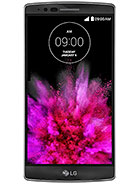
    Believe it or not, the LG G Flex 2 price has almost halved since we met it last quarter. It now costs about €390, which makes it our final suggestion in this chapter. It has a curved - a 5.5" P-OLED that makes the Flex2 more compact and manageable than its predecessor, higher resolution too - 1080p up from 720p.
    It was the first device with a Snapdragon 810 chipset and launched with Android 5.0 Lollipop out of the box. It uses the rear button design of the LG G3, but the back has a special self-healing coating, which can heal away mild scratches in a matter of minutes.
    The LG G Flex also borrows the 13MP camera with OIS, laser autofocus and 2160p video capture of the LG G3 too.
    Basically, the LG G Flex 2 is a flagship of the current generation, one of the most powerful phones out there, and you can have it at a midrange price.

    LG G Flex2
    Pros Cons

  • Whole-body curved design; self-healing coating
  • 5.5" P-OLED, 1,080 x 1,920px (403ppi)
  • 2GHz octa-core, 2GB or 3GB RAM
  • 16GB or 32GB expandable storage
  • Android 5.1.1 Lollipop
  • 13MP camera with OIS, 2160p video

  • €400-€500

    This chapter will be short but sweet with only two phablets that made the cut, just like the last time.
    The Meizu MX4 Pro boasts a 5.5" IPS screen that's actually above QHD resolution. It has borrowed the Exynos 5 Octa chipset from the Galaxy Alpha and the 20.7MP/2160p camera from the Xperia Z series (and adds a 5MP/1080p selfie camera). Then Meizu adds a fingerprint sensor, no swiping needed here.
    It sounds great so far, but the Flyme OS (based on KitKat) may not be to everyone's taste. The bigger problem is the storage though, no expansion and only 16GB as base.

    Meizu MX4 Pro
    Pros Cons
    • 5.5" IPS screen, 1,536 x 2,560 (546ppi)
    • Flye OS, based on Android 4.4 KitKat
    • 2GHz octa-core CPU, 3GB of RAM
    • 16, 32 or 64GB storage
    • 20.7MP camera, 2160p video
    • 5MP/1080p selfie camera
    • Fingerprint sensor
    • Non-standard Android
    • No microSD card slot
    Review

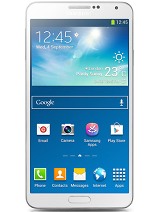
    The Note 4 may be cool, but it's still pricy compared to the Samsung Galaxy Note 3, which is our entry in this price bracket. The 5.7" 1080p screen still looks quite good, the S Pen stylus works great and the 13MP camera records 2160p video. Add an attractive (if metal-free) design and you may be tempted to save the €100 or so premium you need to pay for its successor. Keep in mind that stock is running out, replaced by the slightly different Galaxy Note 3 Neo, so if you like it, you should get it like yesterday.

    Samsung Galaxy Note 3
    Pros Cons
    • 5.7" Super AMOLED, 1,080 x 1,920px (386ppi); S Pen stylus
    • Android 5.0 Lollipop
    • 2.3GHz Krait 400, 3GB RAM
    • 16, 32 or 64GB expandable storage
    • 13MP camera, 2160p video
    • There's an Exynos-powered version with no 2160p video
    • May be hard to find in stores
    Review

    The Sony Xperia Z3 technically falls into this price category too, though honestly we can't find enough improvement over the Xperia Z2 to justify the sizeable price gap.

    Over €500

    This is where things get really serious and making compromises is absolutely unacceptable. Spending so much cash on a phone means you have to get the best of everything.
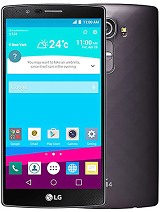
    The €500 LG G4 is subtly curved - not as much as the Flex and not flexible either - and has a 5.5" screen of higher resolution, QHD. The optional leather back with decorative stitching makes for a rather unique look, a welcome alternative to the metal and glass of other flagships. We only worry about the leather's durability.
    Anyway, the camera department is highly impressive, a 16MP sensor with optical stabilization and a wide f/1.8 aperture. It lets in 80% more light compared to the G3. And with manual controls plus RAW capture mode, LG makes a serious claim for one of the best smartphone cameras around. The selfie camera is great too, an 8MP/1080p shooter.
    The single comparatively weak area is the chipset - the Snapdragon 808 has only two powerful Cortex-A57 cores to back the four low-power A53s. Worse, the Adreno 418 GPU will be under lots of pressure by the QHD resolution of the screen. LG moved to an IPS Quantum panel for improved color rendering and contrast over the G3. You get a removable battery and a microSD slot.

    LG G4
    Pros Cons
    • Slightly curved body with optional leather back
    • 5.5" IPS screen, 1,440 x 2,560px (538ppi)
    • 1.8GHz hexa-core processor
    • 32GB expandable storage
    • Android 5.1 Lollipop
    • 16MP camera with OIS, 2160p video
    • 8MP/1080p selfie camera
    • Chipset not up to par
    Review

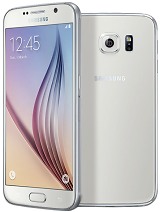
    The Galaxy S6 is a reset of Samsung's usual design with a glass frame and the Galaxy S6 edge is one of the best-looking devices on the market. It's price has dropped by some €100 since May and now you can have it for about €540.
    But let's start with the base Samsung Galaxy S6, whose price tag is easier to swallow. The 5.1" Super AMOLED screen of QHD resolution is the highest quality display yet (beating even the Note 4) and Samsung went a long way to spruce up TouchWiz.
    The 16MP camera with OIS and 2160p video flexed its muscles in our four-way shootout, beating its sibling Galaxy devices. The no-swipe fingerprint sensor also works better than Samsung's previous attempts, but in a controversial move the company sealed the battery and dropped the microSD card slot. The waterproofing of the Galaxy S5 is gone too.

    Samsung Galaxy S6
    Pros Cons
    • 7mm metal and glass body
    • 5.1" Super AMOLED, 1,440 x 2,560px (577ppi)
    • 16MP camera with OIS, 2160p video
    • 5MP/1440p selfie camera
    • Android 5.0 Lollipop
    • 2.1GHz octa-core, 3GB RAM
    • 32, 64 or 128 GB storage
    • Fingerprint sensor
    • No microSD card slot
    Review

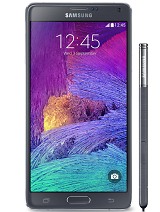
    The Samsung Galaxy Note 4's highlight is the 5.7" QHD Super AMOLED screen, surrounded by a metal frame. The Note 4 houses an S Pen stylus to boost the proprietary multitasking features.
    The Note 4 offers great hardware under the hood, while the OIS-enabled 16MP camera turned out excellent in every key aspect. The selfie resolution is below average at 3.7MP, but we can live with that. A fingerprint sensor is on board too.

    Samsung Galaxy Note 4
    Pros Cons
    • 5.7" Super AMOLED, 1,440 x 2,560px (515ppi); S Pen stylus
    • Android 5.0 Lollipop
    • 2.7GHz quad-core Krait 450 -or- 1.9GHz octa-core, 3GB RAM
    • 32GB expandable storage
    • 16MP camera with OIS, 2160p video
    • Metal frame
    • Fingerprint sensor
    Review

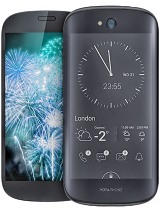
    Last time around we passed on the YotaPhone 2 but we just can't ignore it now. Its price drop and expanded availability, plus the launch of a white flavor makes it very attractive. The front 5" AMOLED screen is great as is the rear 4.7" always-on e-ink display. We've played with this combo and we like it very much.
    The YotaPhone 2 is slightly behind the current flagship specs but the Snapdragon 801 chip will nevertheless deliver blazing-fast performance on a 1080p display. Plus, we found the 8MP camera among the best in its class.
    The YotaPhone was recently updated to Android Lollipop and the one of a kind dual-screen concept justifies the steep price.
    YotaPhone 2
    Pros Cons
    • 5" AMOLED, 1,080 x 1,920px (442ppi)
    • Rear always-on e-ink 4.7" display 540 x 960px (235ppi)
    • Android 5.0 Lollipop
    • 2.3GHz quad-core Krait 400, 2GB RAM
    • 32GB storage
    • 8MP camera, 1080p video
    • Beautiful dual-glass design
    Review

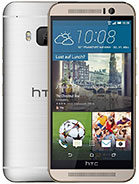
    Unlike Samsung, HTC kept its traditional design that goes back to the HTC One from 2013. It tweaked the design with a two-color-tone look and we were always fans of metal unibody phones.
    HTC also recognized that the camera is an issue and grabbed a 20.7MP sensor capable of 2160p video. We were glad to see UltraPixel go (at least get moved to selfie camera duties), but the new shooter doesn't live up to Galaxy S6 or iPhone 6 standards.
    Anyway, the stereo speakers on the front are better than what either Sony or Motorola have to offer and the audio quality with headphones plugged in is perfect. The 5" 1080p screen is behind on resolution and is surrounded by chunky bezels.
    The Snapdragon 810 chipset in the HTC One M9 got some negative coverage due to overheating concerns and while it does run hotter than the Galaxy S6 (which also warms up), it doesn't become an issue unless you really push the chipset beyond its limit. Again, the One M9 and Galaxy S6 rivalry is too turbulent to summarize so you can get the full picture in our head-to-head article.
    HTC One M9

    Pros Cons
    • Two-tone metal unibody
    • Great stereo speakers
    • 20.7MP camera, 2160p video
    • 4MP UltraPixel selfie camera
    • 2GHz octa-core, 3GB RAM
    • 32GB expandable storage
    • 5" IPS screen, 1,080 x 1,920px (441ppi)
    • Design is getting old
    • Screen not up to par with 2015 flagships
    • Neither is the camera
    Review

    Finally, we are wrapping up with the Samsung Galaxy S6 edge. It's the prettier S6 sibling and its unique design is bound to draw the envy of even iPhone users. The screen's sides are not as curved as on the Galaxy Note Edge, but they are symmetrical, which looks better.
    Everything else in the hardware department is the same as the flat-screened S6, but the Galaxy S6 edge has some additional software features. A night clock, various notifications and some gestures use the curved screen and add some neat functionality though we wouldn't call it vital.
    Samsung normally exacts a €100 premium on the S6 edge over the S6 with the same storage, but the Galaxy S6 prices seem to be falling faster. In many regions the Galaxy S6 edge is available only in 64GB and 128GB (skipping the 32GB option) without an additional price hike over a 32GB Galaxy S6, which evens out the price a bit.


    What didn't make the cut

    The roundup was tough, but cutting phones from the list was even tougher. There are devices that are very good at what they do and yet there are just better offers.
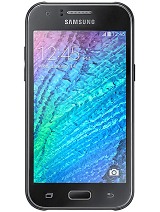
    First we skipped the Samsung Galaxy J1. It was designed to be an extremely affordable smartphone and while it is a good performer, it costs almost €100 - twice as much as an Alcatel Fire E and a lot more than the Lumia 532. Even a Moto E, which is more powerful, costs less. We skipped the Galaxy Young 2 for similar reasons, it is far inferior compared to Moto E, yet costs just €5-€10 less.
    Samsung Galaxy J1 Samsung Galaxy J1 4G
    Samsung Galaxy J1 • Samsung Galaxy J1 4G
    We passed on the Lumia 530, Lumia 630 and 635 largely in favor of the Lumia 535. Microsoft stated that even phones with 512MB RAM will be updated to the upcoming OS versions, but having at least 1GB of RAM is still a huge boon to multitasking. True, the Lumia 435 has 1 gig of RAM, but its dual-core processor made us think that spending a few euros more on the Lumia 532 is the smarter move.
    Nokia Lumia 530 Nokia Lumia 630 Nokia Lumia 635 Microsoft Lumia 435
    Nokia Lumia 530 • Nokia Lumia 630 • Nokia Lumia 635 • Microsoft Lumia 435
    The Alcatel Idol 2 Mini S was a rather good offer last spring, but its dated OS, limited storage and aging hardware don't deserve a €170 price tag. There are far better phones today, especially the Asus Zenfone 2.
    Alcatel Idol 2 Mini S
    Alcatel Idol 2 Mini S
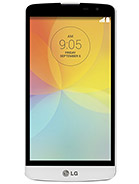
    We also skipped a bunch of LG smartphones, just because the Sony Xperia E4g and the Motorola Moto G series offer better specs for less cash. The F60, L90, L Fino and L Bello are on the list of LG absentees.
    LG F60 LG L90 D405 LG L Fino LG L Bello
    LG F60 • LG L90 D405 • LG L Fino • LG L Bello
    Amazon Fire Phone, though heavily promoted, turned out a market failure. It may be innovative and powerful, but users just aren't impressed. If you aren't an experience XDA user, or you don't like to side-load pretty much every Android app on your phone, the Fire Phone is just not for you. Its future looks rather uncertain right now.
    Amazon Fire Phone
    Amazon Fire Phone
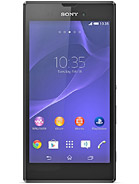
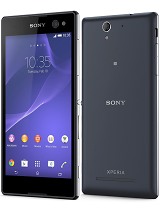
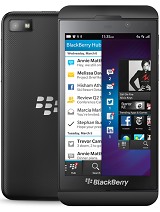
    We replaced the Sony Xperia T3 and Xperia C3 with the Xperia M2 Aqua and Xperia M4 Aqua respectively. Those are quite similar but the Aqua phones are water and dust proof. We also skipped the BlackBerry Z10 in favor of the newer BlackBerry Leap.
    Sony Xperia T3 Sony Xperia C3 BlackBerry Z10
    Sony Xperia T3 • Sony Xperia C3 • BlackBerry Z10
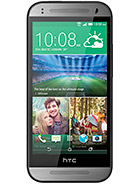
    The HTC One mini 2, while sporting an amazing all metal shell, runs on a dated Snapdragon 400 chip, which may cause performance bottlenecks because of the hefty Sense UI. Plus, you can get the more powerful and prettier Xperia Z1 Compact for even less money.
    HTC One mini 2
    HTC One mini 2
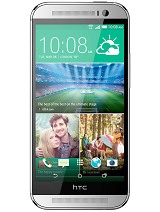
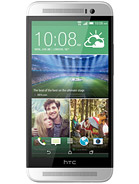
    The HTC One (M8) and HTC One (E8) didn't make it because of the excellent HTC Desire Eye. It offers better camera than the UltraPixel misunderstanding, which turned out the Achilles' wheel of the second generation of the One series.
    HTC One (M8) HTC One (E8)
    HTC One (M8) • HTC One (E8)
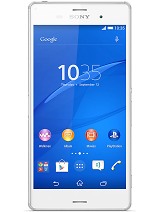
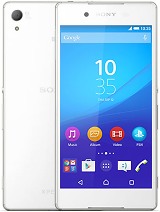
    The Sony Xperia Z3 and the newer Xperia Z3+ were dropped because they bring little new to the series, plus the Snapdragon 810 overheating issues of the latter and its insanely high price tag. The Xperia Z3+ costs almost the same as a Galaxy S6 edge, which is rather unreasonable.
    Sony Xperia Z3 Sony Xperia Z3+
    Sony Xperia Z3 • Sony Xperia Z3+
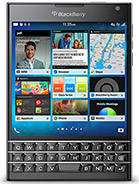
    BlackBerry gained back some lost confidence with its Passport, but its squarish design makes it too large for casual use. It's too much of a niche device to merit a general recommendation, but business types are welcome to take a look.
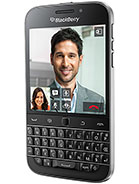
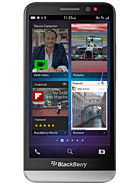
    The same thing happened to the BlackBerry Classic and Z30 - BlackBerry isn't a premium name anymore and there's generally no reason to pay top dollar for it. If you have specific needs that are tied to the BlackBerry platform, then a Leap or Q5 can do just as well.
    BlackBerry Passport BlackBerry Classic BlackBerry Z30
    BlackBerry Passport • BlackBerry Classic • BlackBerry Z30
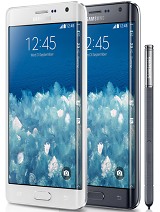
    The Samsung Galaxy Note Edge is retiring from our offers in favor of the Galaxy S6 edge. In case you need the S-Pen, then you should better wait a few more weeks for the Galaxy Note 5's announcement at IFA.
    Samsung Galaxy Note Edge
    Samsung Galaxy Note Edge
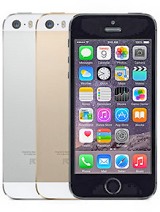
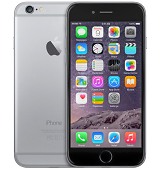
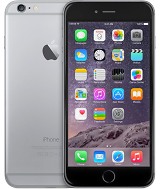
    Finally, we've excluded the iPhone 5s, iPhone 6 and iPhone 6 Plus because Apple will be announcing the new generation of iPhones in 8 weeks and those will go at least €100 cheaper. There is no point spending a pile of cash right now.
    Apple iPhone 5s Apple iPhone 6 Apple iPhone 6 Plus
    Apple iPhone 5s • Apple iPhone 6 • Apple iPhone 6 Plus